The Rosenthal Arts Initiative is dedicated to preserving and advancing the legacy of Louis Rosenthal, Max Rosenthal, and Albert Rosenthal—three prominent figures whose work helped shape Philadelphia’s artistic and cultural landscape. Through archival preservation, public programming, and increased accessibility to their works, the initiative seeks to raise awareness of the Rosenthals’ contributions, from pioneering advances in chromolithography to influential portraiture of civic leaders. By reconnecting contemporary audiences with this legacy, the initiative highlights the family’s lasting impact on Philadelphia’s creative identity + rich artistic heritage as well as their contribution to American Art.
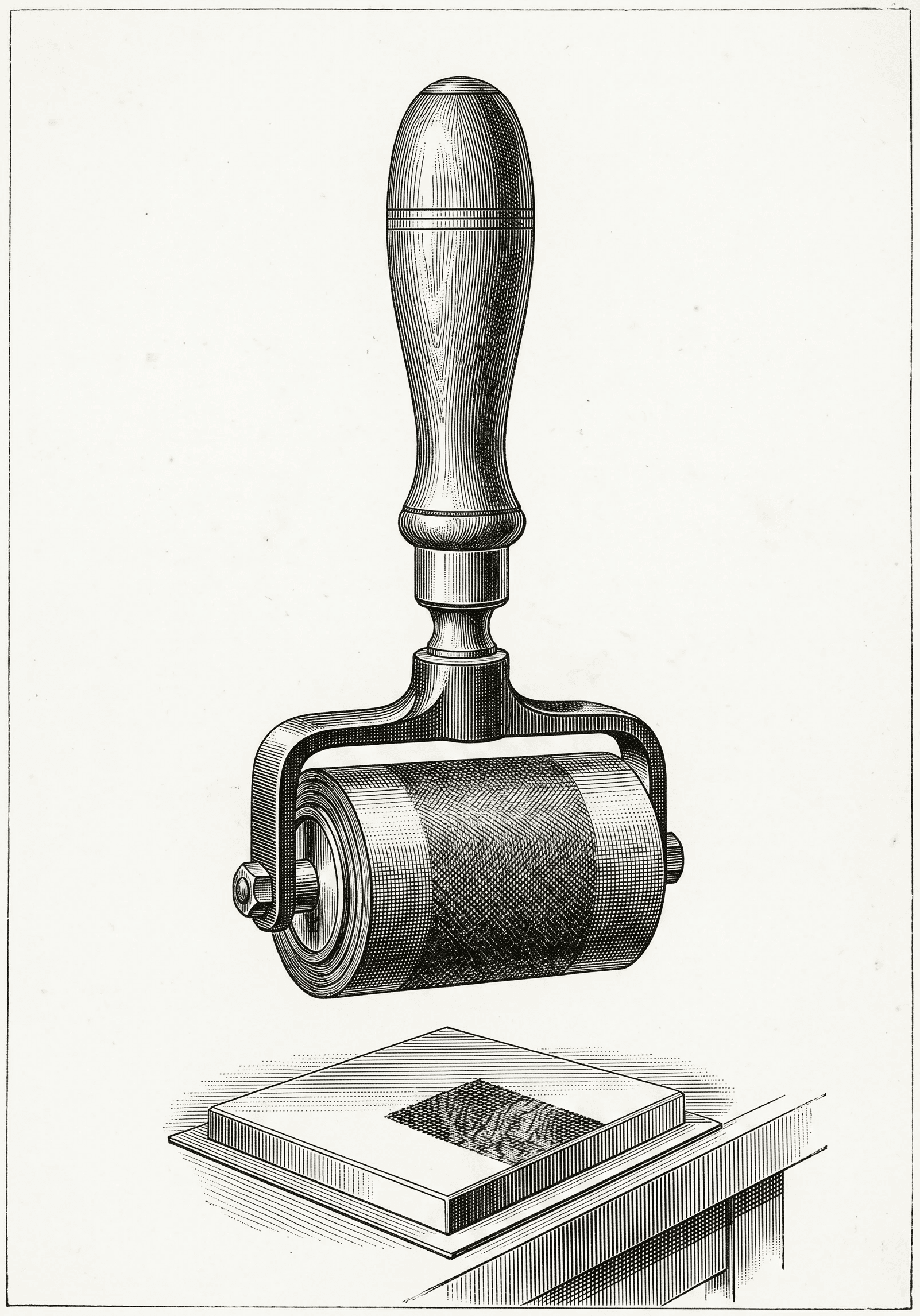
By bridging history, technology, and artistic practice, the Rosenthal Arts Initiative aims to ensure that the legacy of Louis, Max, and Albert Rosenthal continues to inform and inspire future generations.
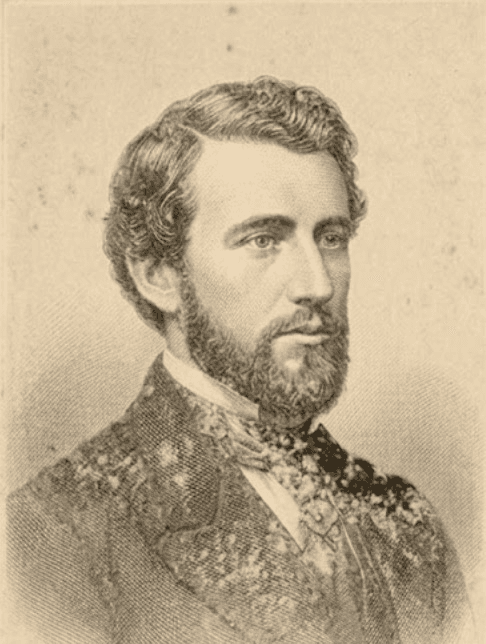
Louis Rosenthal
(c.1824 - after 1900) was a publisher, printer, and co-founder of Rosenthals — the Philadelphia lithographic firm that helped shape American chromolithography in the 19th century. The firm published sheet music covers, portraits, maps, labels, advertisements, building views, anatomical and geological charts, and Civil War scenes.

Max Rosenthal
(1833 - 1918) was a pioneer of American chromolithography and a foundational figure in Philadelphia’s 19th-century printmaking and institutional landscape. Max's career was marked by technical firsts and a prolific output, including plates for Wild Scenes and Wild Hunters, widely considered the first book in the United States fully illustrated through chromolithography. During the Civil War, he served as an official illustrator for the U.S. Military Commission, and his later work shifted toward etching and mezzotint, where he produced over 200 portraits of significant American historical figures.
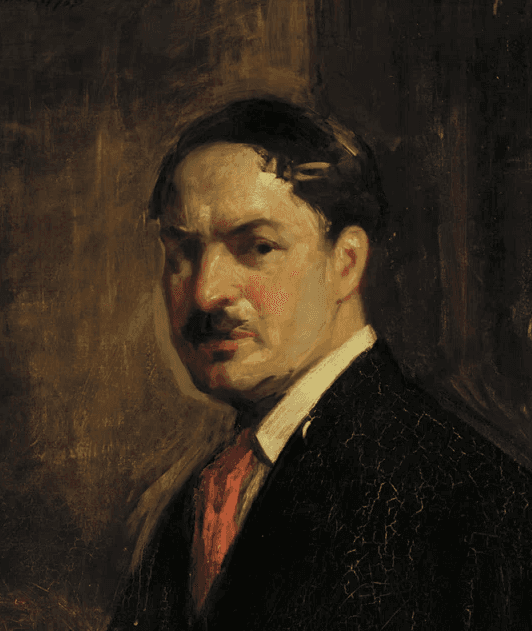
Albert Rosenthal
1863 - 1939) was raised within the workshops and galleries of Philadelphia. He studied under his father Max at PAFA before continuing his education at the Académie Julian and École des Beaux-Arts in Paris under Jean-Léon Gérôme. Albert became one of the most sought-after portraitists of his era, commissioned to capture the likenesses of U.S. Supreme Court Justices, Attorneys General, and various Pennsylvania Governors. He became a globally recognized authority on 18th and 19th-century American art, regularly consulted by major museums to authenticate historic works.